FDA Determining Whether to Submit an ANDA or a 505(b)(2) Application
标准简介
Determining Whether to Submit an ANDA or a 505(b)(2) Application[附网盘链接]由FDA于过去发布,适用于US。标准截图
![Determining Whether to Submit an ANDA or a 505(b)(2) Application[附网盘链接]](/img/202109141037203phkx.jpg)
标准文档说明
标准文档类型为Determining Whether to Submit an ANDA or a 505(b)(2) Application[附网盘链接]高清PDF版本(文字版),标准文档内可进行搜索,可以复制原文,可粘贴。标准部分原文
Determining Whether to Submit an ANDA or a 505(b)(2) Application 1
Guidance for Industry This guidance represents the current thinking of the Food and Drug Administration (FDA or Agency) on this topic. It does not establish any rights for any person and is not binding on FDA or the public. You can use an alternative approach if it satisfies the requirements of the applicable statutes and regulations. To discuss an alternative approach, contact the FDA office responsible for this guidance as listed on the title page. I. INTRODUCTION This guidance is intended to serve as a foundational guidance to assist applicants in determining which one of the abbreviated approval pathways under the Federal Food, Drug, and Cosmetic Act (FD&C Act) is appropriate for the submission of a marketing application to FDA. Many potential drug product developers are not familiar with the different abbreviated approval pathways for drug products under the FD&C Act — the abbreviated approval pathways described in section 505(j) and 505(b)(2) of the FD&C Act (21 U.S.C. 355(j) and 21 U.S.C. 355(b)(2), respectively) — or the types of data and information that are permitted to support approval under those pathways. In order to familiarize potential drug product developers with these abbreviated pathways, this guidance highlights criteria for submitting applications under the abbreviated approval pathways described in section 505(j) and 505(b)(2), identifies considerations to help potential applicants determine whether an application would be more appropriately submitted under section 505(j) or pursuant to section 505(b)(2) of the FD&C Act, and provides direction to potential applicants on requesting assistance from FDA in making this determination. In general, FDA’s guidance documents do not establish legally enforceable responsibilities. Instead, guidances describe the Agency’s current thinking on a topic and should be viewed only as recommendations, unless specific regulatory or statutory requirements are cited. The use of the word should in Agency guidances means that something is suggested or recommended, but not required. II. BACKGROUND The Drug Price Competition and Patent Term Restoration Act of 1984 (Public Law 98-417) (Hatch-Waxman Amendments) added section 505(b)(2) and 505(j) to the FD&C Act, which 1
This guidance has been prepared by the Office of Generic Drugs in the Center for Drug Evaluation and Research at the Food and Drug Administration.
网盘链接
百度网盘:https://pan.baidu.com/s/1setScdcKR2fXVrCRcy3e4A
提取码:qgvh
【温馨提示】大资料ISO是提供信息发布的专业信息类网站,所有内容均由用户发布,不代表本站观点,本站亦不存储所涉及的文件及资料。如有【免费资料】以及【付费资料】,请用户根据自己的需求,自行判断是否需要获取。如有交易诈骗、内容侵权可发送邮件至kf@dzl100.com,我们审查后若发现情况属实,会立即对相关内容进行删除处理。
加载用时:54.0719 毫秒
相关评论
相关文章
-
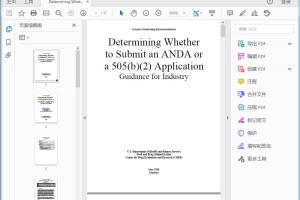
FDA Determining Whether to Submit an ANDA or a 505(b)(2) Application
Determining Whether to Submit an ANDA or a 505(b)(2) Application[附网盘链接]是FDA于过去发布的FDA标准,适用于US。本次分享的标准文档为高清PDF(文字版),标准文档内可搜索,可复制,可粘贴。本文结尾附网盘链接。
-
FDA Exculpatory Language in Informed Consent
Exculpatory Language in Informed Consent[附网盘链接]是FDA于不久前发布的FDA标准,适用于美国。本次分享的标准文档为高清PDF(文字版),标准文档内可搜索,可复制,可粘贴。本文结尾附网盘链接。
-
FDA Expanded Access to Investigational Drugs for Treatment Use - Questions and Answers
Expanded Access to Investigational Drugs for Treatment Use - Questions and Answers[附网盘链接]是Food&Drug Administration于不久前发布的FDA标准,适用于U.S。本次分享的标准文档为高清PDF(文字版),标准文档内可搜索,可复制,可粘贴。本文结尾附网盘链接。
-
FDA Allowable Excess Volume and Labeled Vial Fill Size in Injectable Drug and Biological Products
Allowable Excess Volume and Labeled Vial Fill Size in Injectable Drug and Biological Products[附网盘链接]是Food And Drug Administration于不久之前发布的FDA标准,适用于US。本次分享的标准文档为高清PDF(文字版),标准文档内可搜索,可复制,可粘贴。本文结尾附网盘链接。
-
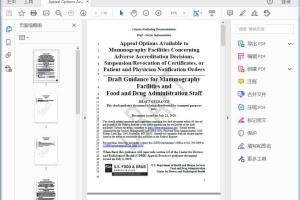
FDA Adverse Accreditation Decisions, SuspensionRevocation of Certificates, or Patient and Physician Notification Orders Draft
Adverse Accreditation Decisions, SuspensionRevocation of Certificates, or Patient and Physician Notification Orders Draft[附网盘链接]是Food And Drug Administration于不久之前发布的FDA标准,适用于United States。本次分享的标准文档为高清PDF(文字版),标准文档内可搜索,可复制,可粘贴。本文结尾附网盘链接。
-
![CVM GFI #185 (VICH GL43) Target Animal Safety for Veterinary Pharmaceutical Products.pdf[网盘链接]](/img/small/20210914103659dm8zg.jpg)
CVM GFI #185 (VICH GL43) Target Animal Safety for Veterinary Pharmaceutical Products.pdf[网盘链接]
GFI #185 (VICH GL43) Target Animal Safety for Veterinary Pharmaceutical Products.pdf是于发布的标准,适用于。本次分享的标准文档为高清PDF(文字版),标准文档内可搜索,可复制,可粘贴。本文结尾附网盘链接。
-
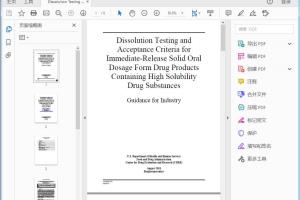
FDA Dissolution Testing and Acceptance Criteria for Immediate-Release Solid Oral Dosage Form Drug Products Containing High Solubility Drug Substances
Dissolution Testing and Acceptance Criteria for Immediate-Release Solid Oral Dosage Form Drug Products Containing High Solubility Drug Substances[附网盘链接]是FDA于过去发布的FDA标准,适用于美国。本次分享的标准文档为高清PDF(文字版),标准文档内可搜索,可复制,可粘贴。本文结尾附网盘链接。
-
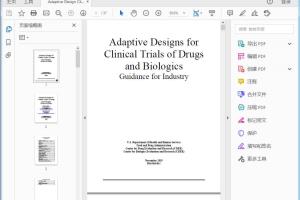
FDA Adaptive Design Clinical Trials for Drugs and Biologics Guidance for Industry
Adaptive Design Clinical Trials for Drugs and Biologics Guidance for Industry[附网盘链接]是FDA于过去发布的FDA标准,适用于美国。本次分享的标准文档为高清PDF(文字版),标准文档内可搜索,可复制,可粘贴。本文结尾附网盘链接。
-
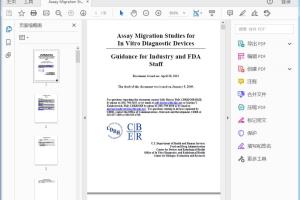
FDA Assay Migration Studies for In Vitro Diagnostic Devices Guidance for Industry and FDA Staff
Assay Migration Studies for In Vitro Diagnostic Devices Guidance for Industry and FDA Staff[附网盘链接]是FDA于过去发布的FDA标准,适用于United States。本次分享的标准文档为高清PDF(文字版),标准文档内可搜索,可复制,可粘贴。本文结尾附网盘链接。
-

FDA Converting Units of Measure for Folate, Niacin, and Vitamins A, D, and E on the Nutrition and Supplement Facts Labels
Converting Units of Measure for Folate, Niacin, and Vitamins A, D, and E on the Nutrition and Supplement Facts Labels[附网盘链接]是Food And Drug Administration于不久前发布的FDA标准,适用于US。本次分享的标准文档为高清PDF(文字版),标准文档内可搜索,可复制,可粘贴。本文结尾附网盘链接。
-

FDA Clinical Pharmacology Labeling for Human Prescription Drug and Biological Products — Content and Format
Clinical Pharmacology Labeling for Human Prescription Drug and Biological Products — Content and Format[附网盘链接]是Food And Drug Administration于当前发布的FDA标准,适用于United States。本次分享的标准文档为高清PDF(文字版),标准文档内可搜索,可复制,可粘贴。本文结尾附网盘链接。
-
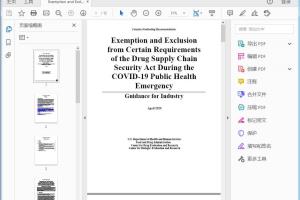
FDA Exemption and Exclusion from Certain Requirements of the Drug Supply Chain Security Act During the COVID-19 Public Health Emergency
Exemption and Exclusion from Certain Requirements of the Drug Supply Chain Security Act During the COVID-19 Public Health Emergency[附网盘链接]是Food And Drug Administration于当前发布的FDA标准,适用于United States。本次分享的标准文档为高清PDF(文字版),标准文档内可搜索,可复制,可粘贴。本文结尾附网盘链接。
-

FDA Chronic Hepatitis D Virus Infection Developing Drugs for Treatment Guidance for Industry
Chronic Hepatitis D Virus Infection Developing Drugs for Treatment Guidance for Industry[附网盘链接]是Food&Drug Administration于当前发布的FDA标准,适用于United States。本次分享的标准文档为高清PDF(文字版),标准文档内可搜索,可复制,可粘贴。本文结尾附网盘链接。
-
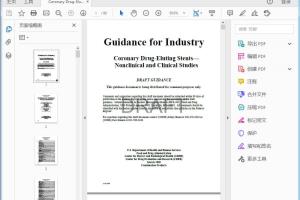
FDA Coronary Drug-Eluting Stents-Nonclinical and Clinical Studies
Coronary Drug-Eluting Stents-Nonclinical and Clinical Studies[附网盘链接]是Food&Drug Administration于当前发布的FDA标准,适用于U.S。本次分享的标准文档为高清PDF(文字版),标准文档内可搜索,可复制,可粘贴。本文结尾附网盘链接。
-

FDA Coronary Drug-Eluting Stents — Nonclinical and Clinical Studies -Companion Document
Coronary Drug-Eluting Stents — Nonclinical and Clinical Studies -Companion Document[附网盘链接]是FDA于当前发布的FDA标准,适用于美国。本次分享的标准文档为高清PDF(文字版),标准文档内可搜索,可复制,可粘贴。本文结尾附网盘链接。